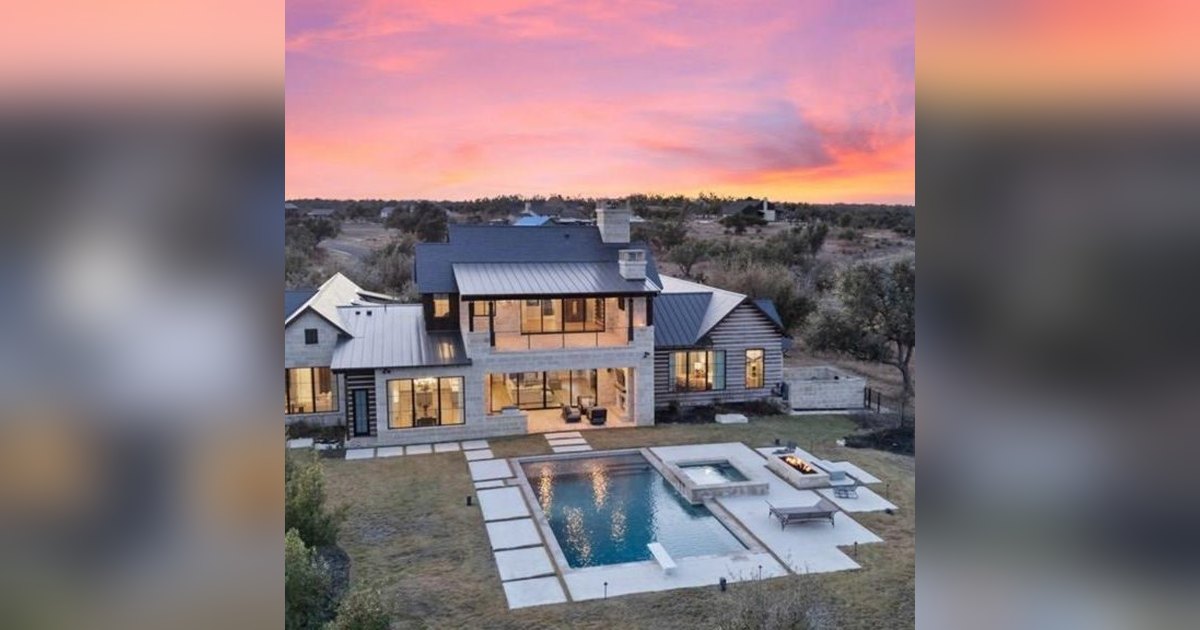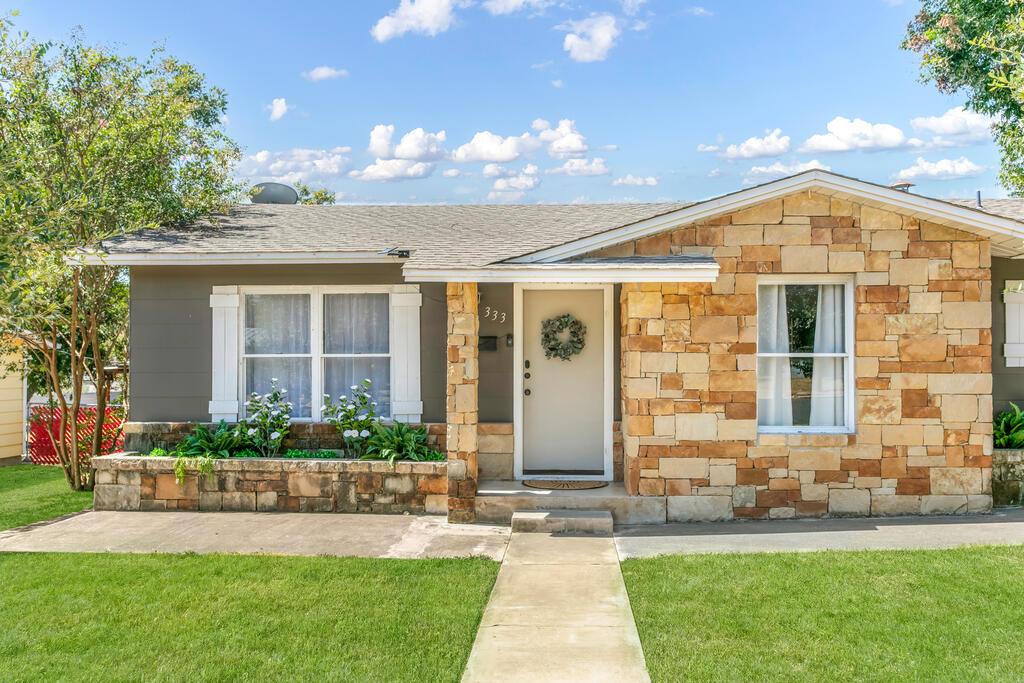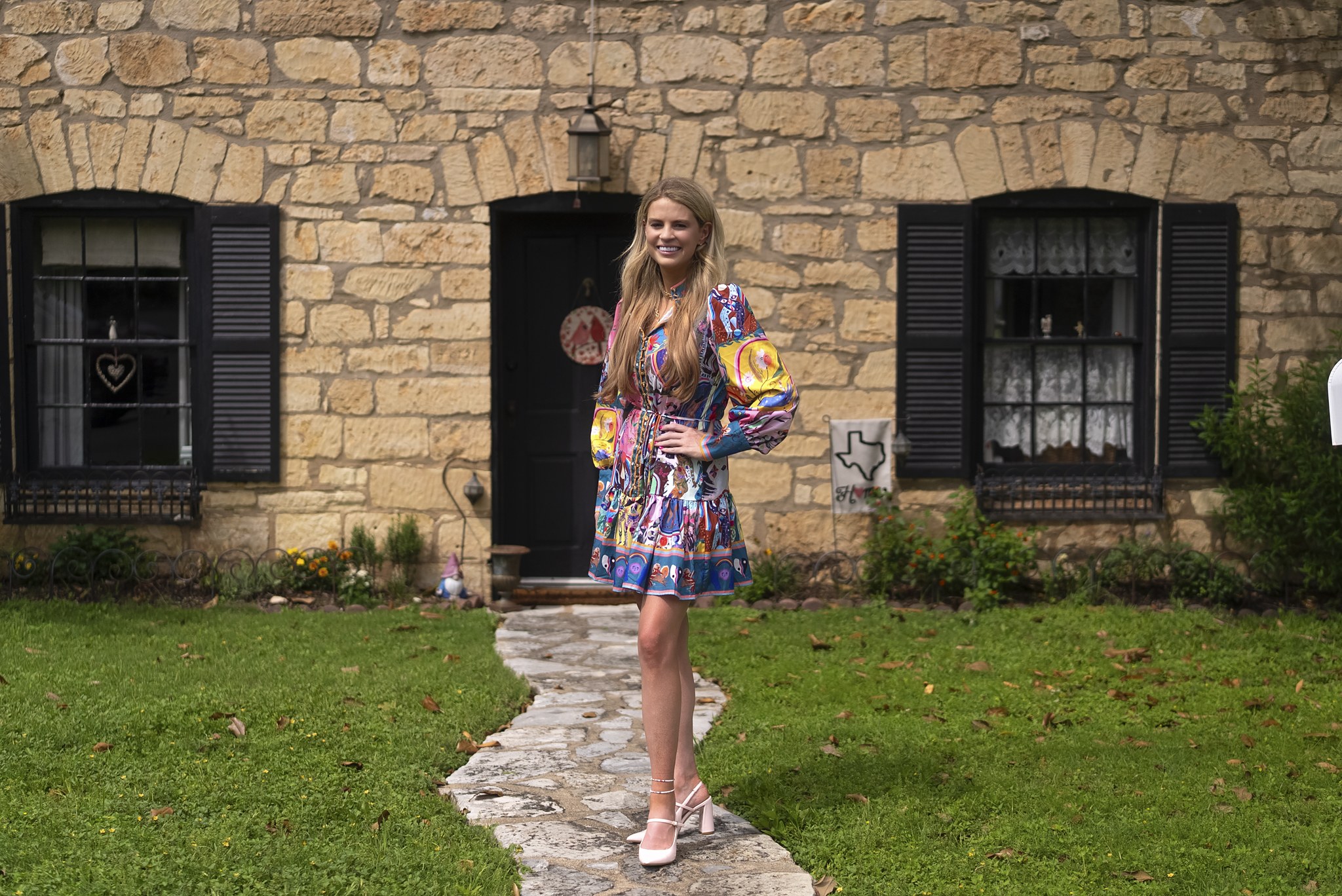
Fredericksburg was founded on May 8, 1846, by German immigrants, and you can still feel that history when you walk through town. The settlers built with what the land gave them: limestone, cedar and hand-hewn timber. Many of those 1800s homes still stand within a few blocks of Main Street, and they are some of the most sought-after properties in town.
I grew up here, and my family and I love walking and biking downtown to admire them. If you have ever wondered what it would be like to own one, here is what I tell my buyers.
A little history helps you shop
Most of Fredericksburg's early settlers lived on farms outside of town. On weekends they came in for church, supplies and visiting, and they needed somewhere to stay. So they built small in-town houses that we now call Sunday houses.
A classic Sunday house is simple. Think one or two rooms downstairs, a sleeping loft above, a fireplace and a porch, often with an outside staircase to the loft. Many are limestone. Today some are private homes, some are vacation rentals, and many have been added onto over the years.
You will also see fachwerk, the German timber-frame style, along with log homes, limestone cottages and simple clapboard houses. Each has its own personality, and each ages a little differently.
What the Historic District means
The Fredericksburg Historic District was listed on the National Register of Historic Places in 1970. The National Park Service describes it as roughly bounded by Elk, Schubert, Acorn and Creek streets. The City of Fredericksburg also has its own local historic district, with a map adopted in June 2019. The National Register listing is an honor. The local district is the one that affects what you can do to a property.
When a buyer falls for a house, one of my first steps is to confirm whether it sits inside the local district. You can also check the City's zoning map yourself.
Exterior changes need approval
This is the one rule every buyer should know. The City says all exterior changes to a historic property require an approved Certificate of Appropriateness. You apply online, and City staff decide whether it can be approved at the staff level or needs to go to the Historic Review Board. As of this writing, the City's page lists a $10 fee for staff approval and $50 for Board approval.
The City's Historic District Design Guidelines and Standards, adopted in July 2021, are based on the Secretary of the Interior's Standards for Rehabilitation. If you are dreaming about a porch, an addition or new windows, read them first and build review time into your plans.
What I look for in an old house
I love a historic home, and I also love a good inspection. Here is my short list of things to know:
- Foundation and drainage. Old foundations move. Ask what has been done and by whom.
- Electrical and plumbing. Updated wiring and pipes are a big plus. Ask for dates and permits where they exist.
- Stone and mortar. Limestone walls are wonderful, and they need the right kind of repair.
- Heating and cooling. Many old houses were not built for it, so ask how the home is cooled today.
- Insurance. Older roofs and wiring can change the quote. Get one during your option period.
For older homes I often suggest a specialist inspector as well as a general one.
Short-term rental questions
Many buyers look at historic homes near Main Street with a rental in mind. Not every historic home has a short-term rental permit. Inside the city limits, a rental needs a City permit, and zoning decides what type is allowed. My dad and I own Bubbly, a historic bed and breakfast one block from downtown, and we spent almost two years renovating it, so I know both the joy and the homework that come with an old house. I check permit status before you make an offer. My guide to Fredericksburg short-term rental rules explains the details.
Where to look
Start with my current listings, then browse my neighborhood guide for HOA, deed restriction and rental information. If you want to know what living near downtown is really like, I wrote about it in living within walking distance of Main Street. You can also see the in-town homes I have sold.
The City of Fredericksburg's Historic Preservation page has the current rules and fees. This is general information, not legal advice, so confirm details with the City before you plan a project.
If a historic home is on your list, let's talk. I will share what is for sale now and what may be coming up.