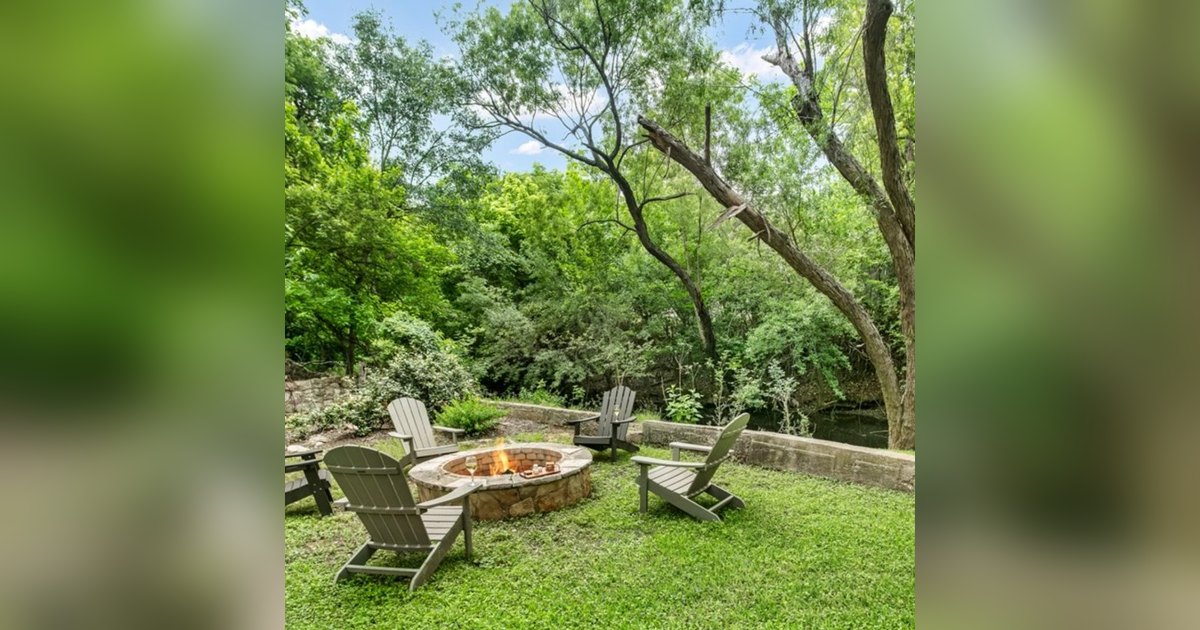
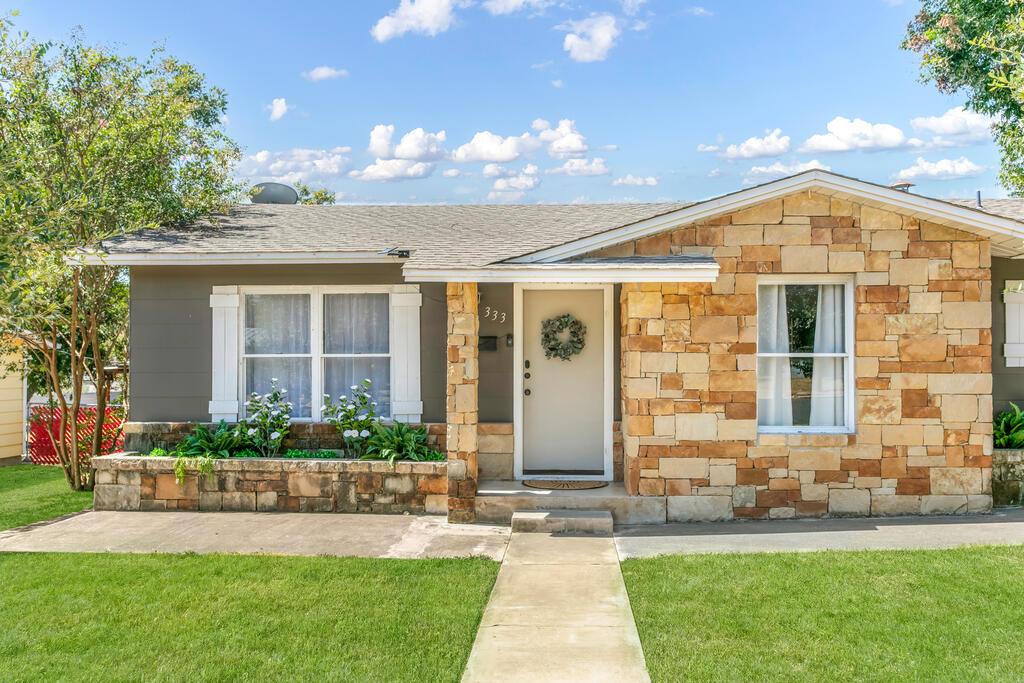
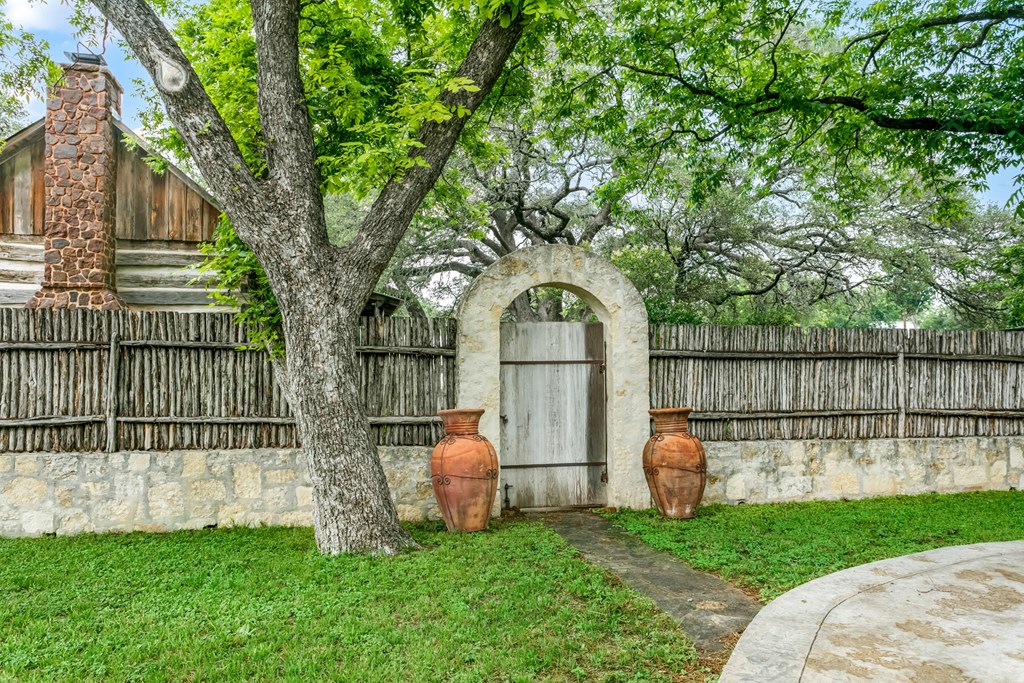
Ask anyone why they fell for a piece of Hill Country property and the answer is usually a tree. A big, old live oak shading the porch. A row of oaks along the drive. I get it. The oaks are a huge part of what makes a Fredericksburg home feel like home.
That's why I want to talk about oak wilt. It's not a fun topic. But it's one every buyer and seller out here should understand, and late fall is the perfect time to think about it.
What Oak Wilt Is
Oak wilt is a fungal disease that blocks the water system inside an oak tree. Texas A&M Forest Service calls it one of the deadliest tree diseases in the country. It has been confirmed in 76 Texas counties, and Central Texas has been hit hard.
All oaks can get it. Live oaks and red oaks are the ones we see suffer most here. Once a red oak shows symptoms, it often dies within three to four weeks. Live oaks usually decline over one to six months.
How It Spreads
There are two ways, and both matter when you own land.
- Underground, through the roots. Live oaks grow in clusters with connected root systems. The fungus moves through those roots about 75 feet a year on average, and sometimes up to 150 feet. This is how most of the spread happens in Central Texas.
- Above ground, by beetles. Infected red oaks can grow fungal mats under the bark. Small sap beetles visit those mats, pick up spores and carry them to fresh cuts on healthy oaks.
That second one is the reason timing matters so much.
Why Fall and Winter Are the Time to Trim
Texas A&M Forest Service recommends no pruning or wounding of oaks from February through June. That's when the beetles are most active. The safest times to trim are the coldest days of winter and the long hot stretch of mid to late summer.
So if you just bought a place, or you're getting a home ready to list in the spring, now through January is your window. Book your arborist early. Good tree crews around here fill up fast once the weather turns.
And whatever the season, paint every cut. Wound paint creates a barrier against the fungus. That goes for damage from mowers, trimmers, livestock, construction and storms too, not just pruning.
What I Watch For When I Show Property
I'm not an arborist, and I always tell my clients to bring one in when trees are a big part of the value. But I do keep my eyes open on every showing, especially on acreage.
- Dead or thinning live oaks in a cluster. A group of oaks dying from one spot outward can be a sign of an active disease center.
- Leaves with yellow or brown veins. On live oaks, that vein pattern is a classic oak wilt symptom.
- Red oaks turning color in summer. If a red oak looks like it's in full fall color in July, that's a red flag.
- Fresh trenches or treated trees. These can be a good sign. They often mean an owner found a problem and handled it.
If something looks off, we ask. Sellers often know the history of their trees, and a good inspection period gives us time to bring in a certified arborist before you're committed.
Why It Matters for Your Investment
Trees are part of what you're paying for out here. Texas A&M AgriLife notes that losing trees to oak wilt can lower property values by 15 to 20 percent. On a beautiful Hill Country home, that's real money.
The good news is that oak wilt can be managed. The standard tools are root trenches at least four feet deep and at least 100 feet beyond the sick trees, fungicide injections to protect healthy high-value oaks nearby, and removing infected red oaks quickly. A Texas A&M Forest Service forester or a certified arborist can tell you what makes sense for your land. You can find yours through texasoakwilt.org.
For Sellers
If you've treated or trenched for oak wilt, keep the paperwork. Invoices, arborist reports and maps of where the trenches run all help a buyer feel confident. A well-cared-for stand of oaks is something I love to show off in your marketing.
A Few Simple Habits
- Trim oaks only in the safe windows, and paint every cut.
- Don't haul firewood from unknown sources onto your property.
- Talk with your neighbors. Roots don't stop at fence lines, so the best plans are shared ones.
- Plant a mix of tree species so one disease can't wipe out your whole canopy.
If you're looking at land or a home with big old oaks, I'd love to help you look at it with clear eyes. Take a look at my guide to buying Hill Country land and ranches, browse my current listings, or reach out and we'll walk the property together.